Know What You Own. Know How It Performs.
You can't allocate capital intelligently if you don't trust the numbers. Yet financial complexity often grows faster than the reporting inside a real estate business. More properties, more entities, more accounts, more loans, more transactions. What once fit into a spreadsheet becomes a network of disconnected financial information. Eventually, the operator needs more than bookkeeping. They need visibility.
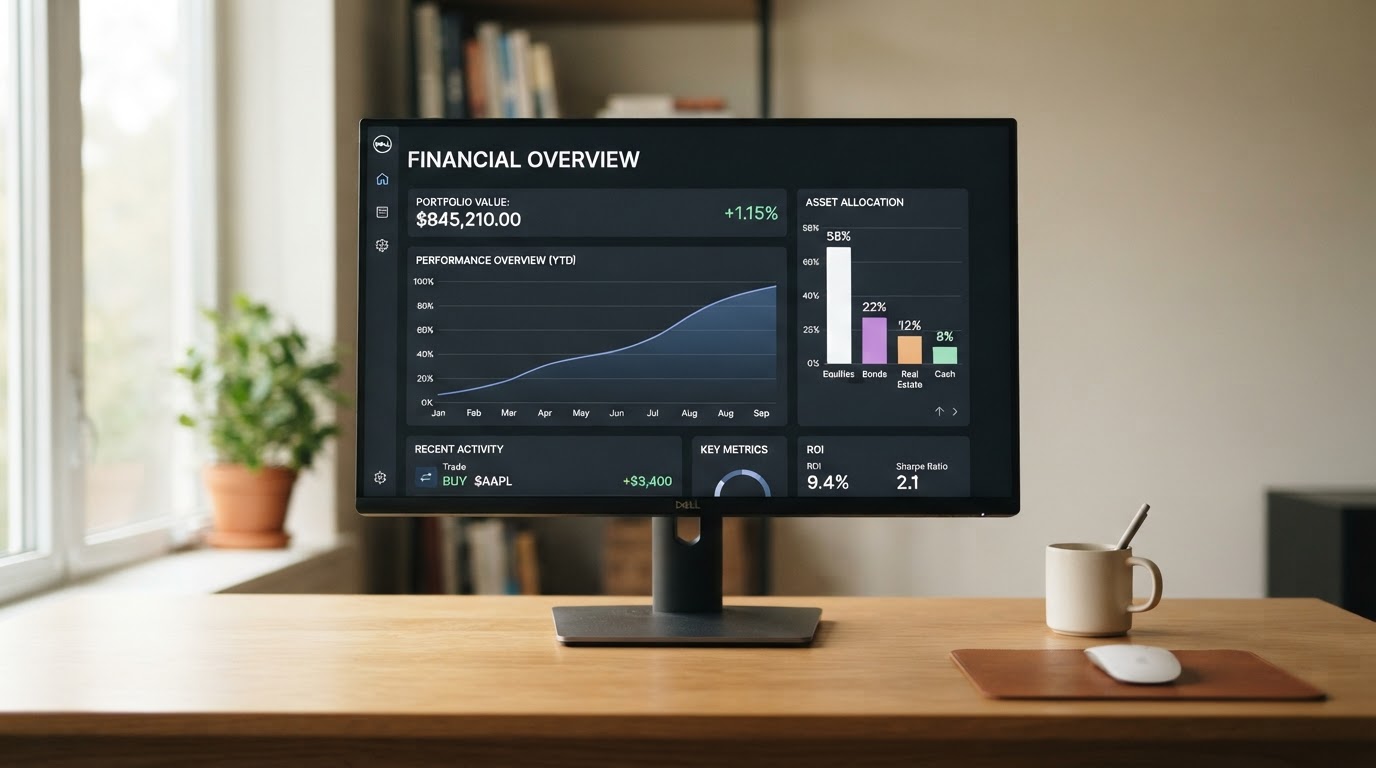
Turn financial data into operational understanding.
The financial platform should help turn financial data into operational understanding. Not just accounting — but the ability to see the business clearly enough to make decisions from reliable information rather than scattered spreadsheets.
That's the standard for the REIBIZ Financial Platform.
From bookkeeping to visibility to allocation.
Accounting Tells You What Happened
Books need to be accurate. Transactions need to be categorized. Accounts need to reconcile. But operators also need to make decisions: where is cash being generated, which assets are performing, what debt is coming due, what needs to happen next.
Portfolio-Level Visibility
Property-level information is essential. But as ownership grows, the portfolio becomes the decision-making unit too. How much liquidity exists? Where is capital concentrated? How do assets compare? What does debt look like in aggregate?
Better Numbers Create Better Conversations
When financial information is fragmented, meetings become debates about what the number is. When information is reliable, the conversation moves to what the number means. Why did performance change? Is it temporary? Is it structural?
Financial Infrastructure Should Scale
The system that works for three properties may not work for thirty. The reporting that works with one entity may break with twenty. The objective is to create infrastructure that becomes more useful as the business grows.
Capital Allocation Starts With Visibility
At its highest level, financial reporting supports allocation. Where should the next dollar go? Pay down debt? Hold cash? Improve an existing asset? Hire? Pursue an acquisition? Those decisions become better when the operator can see the entire business clearly.

BETTER NUMBERS, BETTER CONVERSATIONS
When financial information is fragmented, meetings become debates about what the number is. When information is reliable, the conversation moves to what the number means.