Build Wealth That Lasts Beyond the Transaction.
There are a lot of ways to make money in real estate. That's not the same thing as building wealth. A transaction can create income. A good year can increase your bank balance. A rising market can increase your net worth. But what happens when the transaction is over? What continues producing? What continues compounding? What do you still control? What have you become more capable of doing?

Learn What Actually Works.
YEARS
LEARNING FORMATS
OPERATORS EDUCATED
CORE FRAMEWORKS
Creates a return — once.
Income hits the bank account. The deal closes. The market moves. These are moments. They end. What remains after the moment passes is the real question.
Keeps producing — indefinitely.
Income continues. Debt amortizes. Equity accumulates. Operations improve. The asset compounds value while you sleep, negotiate the next deal, or teach someone else what you've learned.
Wealth Is More Than Net Worth.
A transaction can create a return once. An asset has the potential to keep producing — income can continue, debt can amortize, equity can accumulate, operations can improve.
Net worth, income, and liquidity matter, but those numbers don't tell the whole story. Two people can have the same net worth and dramatically different financial lives. The balance sheet might tell you they're equal. Their lives may tell you otherwise.
That's why my definition of wealth is broader.
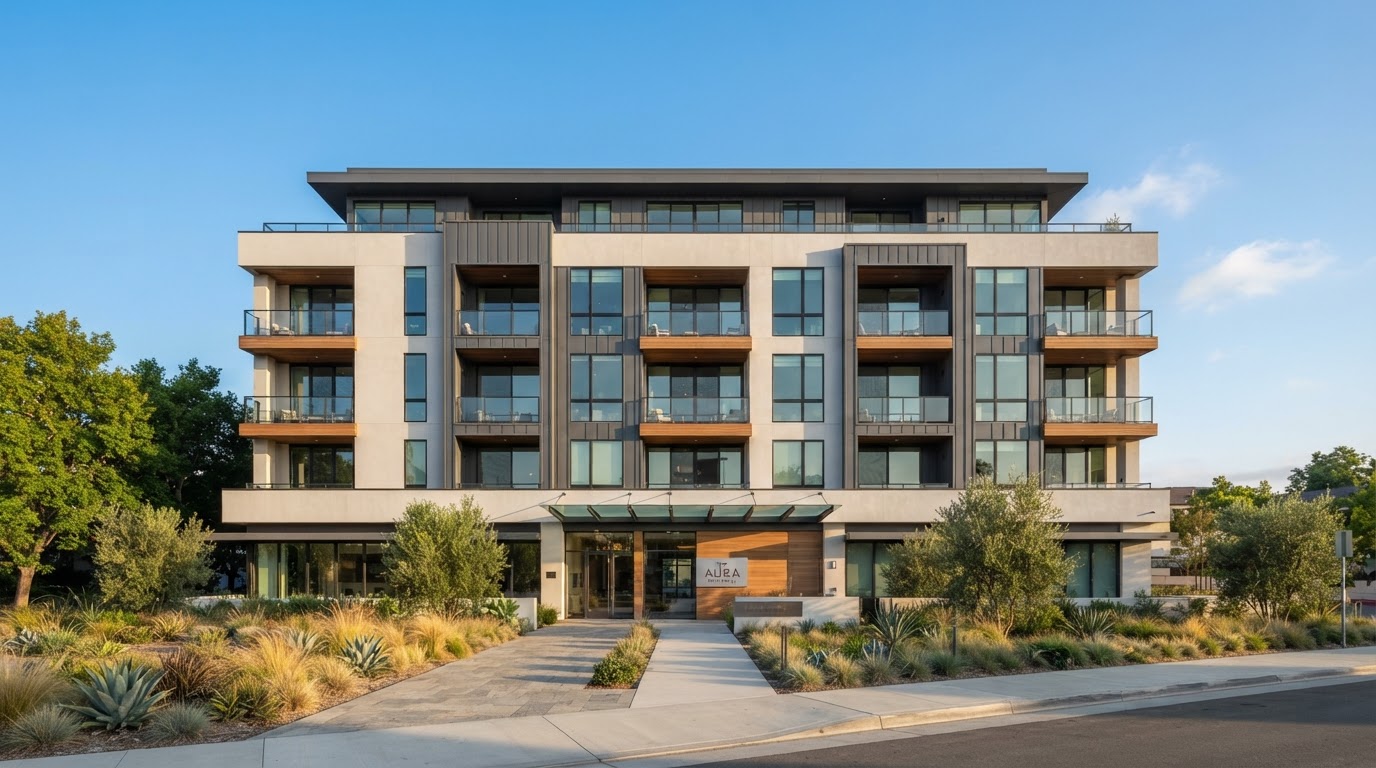
I think about REAL Wealth through several interconnected ideas.
Productive Assets
What do you own that has the ability to produce value? Real estate is one example. A business can be another. The principle is ownership of something productive rather than relying exclusively on the next transaction or the next paycheck.
Cash Flow
Cash flow creates options. It can support your life, provide reserves, reduce dependence on other income, fund future investments, or be reinvested into existing assets. But cash flow alone isn't the entire equation.
Equity
Ownership creates a claim on future value. In real estate, equity can grow through amortization, improvements, stronger operations, appreciation, or some combination of those factors. It's one of the ways today's ownership can become tomorrow's financial capacity.
Control
You can't control the economy, interest rates, or the broader market. But you may be able to improve operations, financing, expenses, tenant experience, capital structure, asset quality, or the way a property is managed. Control isn't absolute. But it matters.
Capability
One of the most overlooked forms of wealth is what you become capable of doing — understanding financial statements, evaluating a deal, negotiating, managing people, building systems, allocating capital, spotting risk, solving problems. Those capabilities travel with you from one investment to the next.
Resilience
A strategy that works only when everything goes right isn't much of a strategy. REAL Wealth should increase your ability to absorb problems rather than create a financial life so fragile that one unexpected event can break it. Reserves, cash flow, debt structure, diversification, and margin for error all matter.
Time
Money can often be replaced. Time cannot. One of the reasons to build assets and businesses is to create greater choice over how our limited time is used. The irony is that poorly built ownership can do the opposite — more obligations, more complexity, less freedom.
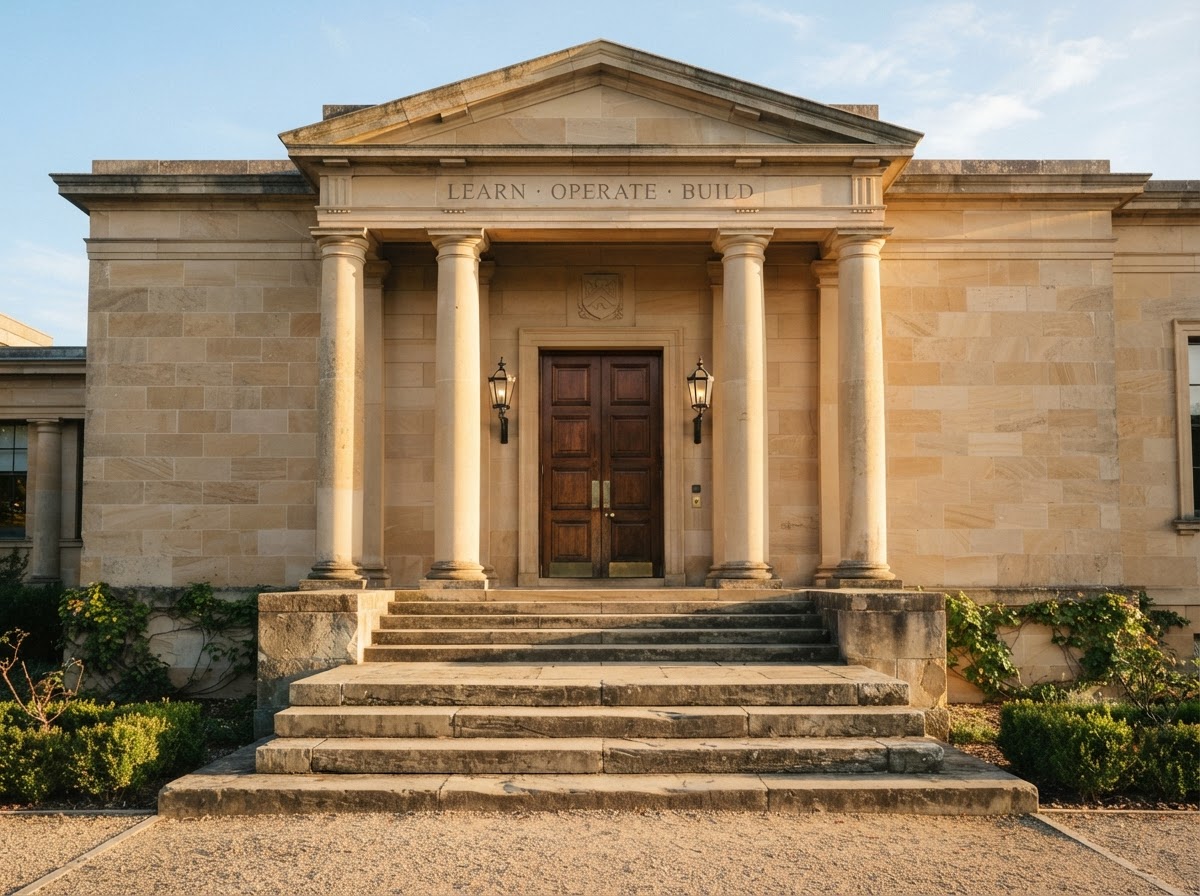
The better distinction is between building something durable and chasing something temporary.
Some great opportunities create value quickly. Others compound over decades. The timeline alone doesn't determine the quality of an investment.
What matters is whether the return comes from something understandable and sustainable — and whether the risk required to pursue that return makes sense.
Real estate isn't the mission — it's a powerful vehicle.
It can combine income, leverage, equity, tax characteristics, operational improvement, and long-term ownership in ways that few other assets do. But simply buying real estate doesn't guarantee wealth. A bad property, too much leverage, poor operations, a bad partnership, or overpaying can all destroy it.
Real estate is only a tool. Learning how to use it well is what matters.
Does this help build something worth owning?
Not simply something that can be sold or that generates revenue — something worth owning.
REAL Wealth
The philosophy
Ownership Track
The progression
REIBIZ
The operational capability
Hovis Capital
Long-term capital allocation
Different applications. One underlying idea.
The objective isn't accumulation for accumulation's sake.
It's to build enough capability, financial strength, and ownership that you have greater freedom to choose what you do with it — support your family, create opportunity, invest in people, build businesses, give generously, solve meaningful problems, and pursue work that matters.
That's the bigger opportunity I see in wealth.